Unlocking Success in Shipping, Transportation, and Airport Logistics: A Complete Guide to Air Freight Cost Calculation and Business Optimization
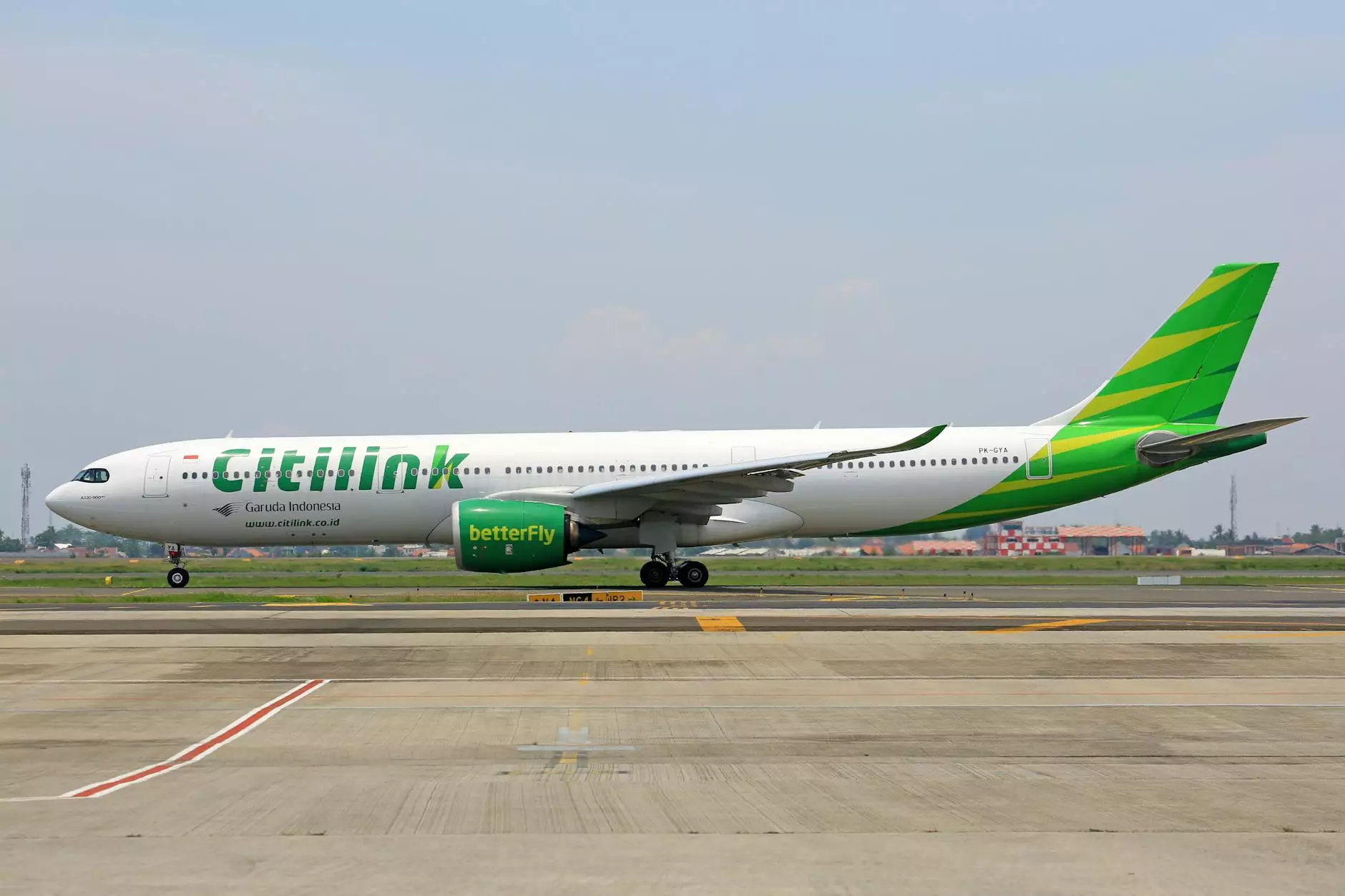
In today's fast-paced global economy, businesses involved in shipping, transportation, and airport logistics face the ongoing challenge of balancing efficiency with cost-effectiveness. Understanding the intricacies of air freight cost calculation is vital for companies aiming to optimize their logistics operations, reduce expenses, and gain a competitive edge. With the right insights and strategic planning, organizations can streamline their supply chains, improve profitability, and deliver superior service to their clients.
Why Air Freight Cost Calculation Is Critical for Business Success
Precise air freight cost calculation is the backbone of profitable logistics management. It enables companies to accurately estimate freight expenses, set competitive pricing, and identify opportunities to minimize costs. Miscalculations can lead to financial losses, customer dissatisfaction, or missed business opportunities.
Understanding the components involved in air freight costs—from weight and volume to fuel surcharges and handling fees—empowers logistics managers and business owners to plan effectively and negotiate better rates with carriers.
The Key Elements Influencing Air Freight Costs
Several factors impact the total cost of air freight, including:
- Weight and Volume: The higher the weight or volume of the shipment, the greater the cost. Airlines typically charge by chargeable weight, which is either the actual weight or volumetric weight, whichever is greater.
- Fuel Surcharges: Fluctuations in fuel prices influence freight rates significantly, often resulting in additional surcharges that vary based on current fuel market conditions.
- Handling and Security Fees: Special handling requirements, security protocols, and destination charges add to the overall cost.
- Route and Distance: Longer routes or less direct flights tend to incur higher expenses due to increased fuel and operational costs.
- Packaging and Documentation: Proper packaging minimizes damage and ensures compliance, which can affect costs. Accurate documentation also prevents delays and penalties.
- Market Demand and Capacity: Peak seasons or limited capacity can drive prices upward, whereas off-peak periods might offer more economical options.
How to Effectively Calculate Air Freight Costs
Achieving an accurate air freight cost calculation requires a thorough understanding of the various cost components and logistics metrics. Here is a step-by-step approach:
- Determine the Chargeable Weight: Calculate both the actual weight and volumetric weight of the shipment. Volumetric weight is typically: (Length x Width x Height in cm) / 6000 for centimeters, or divide by 139 for inches, depending on regional standards. The greater of these two is used for billing.
- Identify Applicable Rates: Obtain current freight rates from air freight carriers or logistics providers. These are often expressed per kilogram or per pound.
- Include Additional Charges: Add relevant surcharges such as fuel, security, handling, and documentation fees.
- Factor in Route and Destination Costs: Adjust the calculation based on specific route fees, destination handling, and customs processing.
- Calculate Total Freight Cost: Multiply the chargeable weight by the rate, then add extra fees to arrive at the total estimate.
- Optimize and Negotiate: Use the data to compare different carriers and negotiate for better rates or conditions.
Innovative Technologies Transforming Air Freight Cost Management
Modern logistics companies leverage advanced technology to refine air freight cost calculation and improve transparency. These innovations include:
- Advanced Freight Management Systems: Software solutions that automate calculations, generate quotes, and optimize route planning.
- Real-Time Data Analytics: Monitoring fuel prices, market demand, and capacity availability helps in dynamic rate adjustments.
- AI and Machine Learning: Predictive analytics enable better forecasting of costs and identification of cost-saving opportunities.
- Blockchain: Increasing transparency and efficiency in documentation, reducing delays, and minimizing costs.
- Digital Platforms and Marketplaces: Websites like Cargobooking.aero facilitate instant price comparisons and booking, simplifying air freight cost calculation for clients and shippers alike.
Strategic Tips for Reducing Air Freight Costs
Efficient cost management isn't just about calculation; it's about strategic planning. Here are some core strategies:
- Consolidate Shipments: Combining multiple consignments reduces per-unit costs and maximizes space utilization.
- Choose Appropriate Routes and Carriers: Work with carriers offering better rates or more direct routes.
- Optimize Packaging: Use lightweight, durable packaging that minimizes volumetric weight while protecting contents.
- Plan Ahead: Early booking allows access to lower rates and capacity assurance.
- Negotiate Long-Term Contracts: Building solid relationships with carriers can lead to discounts and favorable terms.
- Utilize Technology: Implement software tools for real-time monitoring, cost analysis, and optimization recommendations.
The Role of Shipping Centers, Transportation Networks, and Airports in Cost Optimization
The efficiency of your logistics is heavily dependent on the infrastructure and strategic planning within shipping centers, transportation channels, and airports:
- Shipping Centers: Serve as hubs for consolidating, sorting, and preparing shipments for air freight. Properly managed centers streamline processes, reduce delays, and lower handling costs.
- Transportation Networks: Robust land and sea transportation links ensure smooth transit from origin to airport, minimizing wait times and additional storage fees.
- Airports: Strategic airport selection with high throughput capabilities and efficient customs processing reduces delays and guarantees timely delivery, impacting overall costs.
Optimizing Business Operations with Cargobooking.aero
Cargobooking.aero is a leading digital platform dedicated to simplifying freight booking, enabling accurate air freight cost calculation, and enhancing transparency in logistics. By leveraging this platform, businesses can:
- Compare Rates Instantly: Access real-time quotes from multiple carriers and choose the most economical options.
- Utilize Data-Driven Tools: Access analytics to find the best routes and maximize cost savings.
- Improve Supply Chain Visibility: Track shipments and stay informed about potential delays or cost variances.
- Streamline Documentation: Manage all necessary customs and shipping documents in one integrated system.
By integrating platforms like Cargobooking.aero into your logistics strategy, you position your business for agility, cost-effectiveness, and superior customer service.
Future Trends in Air Freight Cost Management and Business Growth
The logistics industry is rapidly evolving with emerging trends that promise to further optimize air freight cost calculation and enhance overall business growth:
- Green Logistics: Sustainable practices reduce carbon footprints, with some carriers offering incentives for eco-friendly shipments.
- Automation and Robotics: Automated sorting centers and autonomous vehicles improve efficiency and reduce labor costs.
- Integration of IoT Devices: Real-time monitoring of shipments ensures safety, minimizes losses, and optimizes routing.
- Enhanced Data Analytics: Predictive insights facilitate proactive cost management and service improvements.
Conclusion: Elevating Your Business with Precise Air Freight Cost Calculation and Strategic Logistics
Mastering air freight cost calculation and leveraging advanced logistics strategies are essential for any business looking to thrive in today’s competitive landscape. From understanding the fundamental cost components to utilizing cutting-edge technology and efficient infrastructure, every step counts toward maximizing profitability, boosting customer satisfaction, and securing long-term growth.
By partnering with innovative platforms like Cargobooking.aero, businesses gain a competitive advantage through transparent pricing, streamlined processes, and intelligent decision-making tools. Investing in these capabilities today prepares your business for the dynamic future of global shipping, transportation, and airport logistics.
Embrace these insights, optimize your operations, and watch your business soar to new heights in the fast-moving world of air freight and logistics.